Home Instead Senior Care, Burbank

Burbank Couple Wins Longest Married Couple

Friday, February 14, 2014

In honor of Valentines Day, True Love and more importantly, The Owings, we highlight their story of 82 years of marriage.


After 82 years of wedded bliss, Harold and Edna Owings were voted America's longest married couple by the Worldwide Marriage Encounter.


The couple met when they were in 5th grade. Harold used to bring Edna candy bars from his parents' store, specifically, Baby Ruths. "I was his girlfriend and there’d be a candy bar Baby Ruth on my desk every day,” Edna told the Las Vegas Review Journal earlier this year. “Two if he thought I was mad.”


So it's only fitting that for their 82nd anniversary, which they celebrated November 24, 2013 in Las Vegas, the couple celebrated with a Baby Ruth shaped caked and T-shirts that read, "Together since 1931" on the back.

"What an inspiration Mr. & Owings are to all of us," a representative from the Worldwide Marriage Encounter said in a press release. "They made a commitment to each other 82 years ago and they have kept that commitment over these many years. They truly are a sign of hope to us all."

The couple currently lives in Burbank, CA. They have two children (both deceased), four grandchildren and eight great grandchildren, the oldest of which is 27.

Worldwide Marriage Encounter -- a faith based organization dedicated to improving marriages, chose the longest married couple based off nominations sent in from all over the country. While there may be a couple who has been married longer, only those nominated between October 15, 2013 and January 10, 2014 were eligible for the award.

An awards ceremony will take place on Valentine's Day in Burbank. 

For more information regarding the article and information on Worldwide Marriage Encounter, please check their website: http://www.wwme.org/

Salute to Senior Service

Thursday, January 16, 2014

Salute to Senior Service kicks off January 15th. This year, nominations and voting will run concurrently. Do you know a senior who is a volunteer in your community? Do they deserve recognition? Make sure you interview them and include photos of the volunteer in action, or you can do it via video. Be sure to nominate and vote for your senior volunteer that’s making a difference in your community. You can learn more atwww.SaluteToSeniorService.com.

Growing number of seniors caring for other seniors

Monday, January 6, 2014

Growing number of seniors caring for other seniors


January 6, 2014 3:59 AM ET
By MATT SEDENSKY from The Associated Press


NOBLESVILLE, Ind. (AP) - Paul Gregoline lies in bed, awaiting the helper who will get him up, bathed and groomed. He is 92 years old, has Alzheimer's disease and needs a hand with nearly every task the day brings. When the aide arrives, though, he doesn't look so different from the client himself - bald and bespectacled.

"Just a couple of old geezers," jokes Warren Manchess, the 74-year-old caregiver.

As demand for senior services provided by nurses' aides, home health aides and other such workers grows with the aging of baby boomers, so are those professions' employment of other seniors. The new face of America's network of caregivers is increasingly wrinkled.

Among the overall population of direct-care workers, 29 percent are projected to be 55 or older by 2018, up from 22 percent a decade earlier, according to an analysis by the Paraprofessional Healthcare Institute, or PHI, a New York-based nonprofit advocating for workers caring for the country's elderly and disabled. In some segments of the workforce, including personal and home care aides, those 55 and older are the largest single age demographic.

"I think people are surprised that this workforce is as old as it is," said Abby Marquand, a researcher at PHI. "There's often people who have chronic disease themselves who have to muster up the energy to perform these really physically taxing caregiving needs."

Manchess came out of retirement to work for Home Instead Senior Care after caring for his mother-in-law, who, too, had Alzheimer's and whom he regarded as his hero. The experience, though taxing, inspired his new career.

Three days a week, he arrives at Gregoline's house, giving the retired electrician's wife a needed break. He carefully shaves and dresses his client, prepares breakfast and lunch, cleans the house and quickly remedies any accidents. He does the laundry and swaddles Gregoline in a warm towel from the dryer, reads him the sports page to keep him updated on his beloved Bears and sometimes pulls out dominoes or puzzles to pass the time.

Gregoline is rather sedate this afternoon, relaxing in his favorite chair while occasionally offering glimpses of his trademark wit. Asked if he remembered anything about the Army, he says: "It was a bitch!" Offered the chance to go outside, he responds: "No! I'll freeze my ass off out there!" Describing an abrasive personality of long ago, he offers: "He followed me around like a bad conscience."

Manchess has worked for Gregoline for about a year, and the men are at ease around each other. Past aides to Gregoline have been in their 20s, but Manchess says he thinks his age is an asset.

"Age can be an advantage," he said, pointing to the common conversation points and life experience, including his own health troubles and aches and pains that can come with age. "We hit it off pretty well. Maybe I didn't seem to be too much out of the ordinary."

Around the country, senior service agencies are seeing a burgeoning share of older workers. About one-third of Home Instead's 65,000 caregivers are over 60.

Like most occupations, some of the growth in older caregivers is driven by the overall aging of the population and the trend of people working later in life. But with incredibly high rates of turnover and a constant need for more workers, home care agencies have also shown a willingness to hire older people new to the field who have found a tough job market as they try to supplement their retirement income.

The jobs are among the fastest-growing positions in the U.S., but are also notoriously physically demanding, with low pay and high rates of injury. Manchess has had spinal surgery and says he's especially careful when vacuuming. He's not sure how many years he'll be able to continue this work, and he acknowledges it can be tough.

"Halfway through my shift, I'm a little weary myself," he said. "It takes its toll."

Manchess had worked as an Air Force pilot, then in real estate, then as a school bus driver, before becoming a professional caregiver. As Gregoline contentedly nibbles on his ham sandwich, Manchess wraps up his shift, turning reflective when considering his life's careers.

"I think this is about as rewarding, if not more rewarding, than any of them," he said.

Article is C/O:
Associated Press http://www.ap.org/

Matt Sedensky, an AP reporter on leave, is studying aging and workforce issues as part of a one-year fellowship at the AP-NORC Center for Public Affairs Research, which joins NORC's independent research and AP journalism. The fellowship is funded by the Alfred P. Sloan Foundation and supported by APME, an association of AP member newspapers and broadcast stations.
___

Follow Matt Sedensky on Twitter at http://twitter.com/sedensky


Holiday Stress Busters for Harried Caregivers

Tuesday, December 3, 2013

Be flexible. The holidays are steeped in personal, family and religious traditions. Maintaining those is a lot of responsibility for family caregivers, who are often the adult children of aging parents. Diane K. Hendricks, social worker for the Center for Successful Aging, recommends: “As a family, ask yourself, ‘What is important to continue and what can we adapt or let go?’”
Take care of yourself. You hear it every year – don’t over-eat during the holidays and keep exercising. That’s easier said than done, for sure. Make a concerted effort to schedule time for exercise and keep healthy snacks handy to help avoid sugary holiday treats.
Communicate your needs. Difficult family dynamics can take center stage during the holidays. Conflict may arise if family members can no longer continue their traditional holiday roles. Communicating is the best way to help smooth out problems and avert new ones.
Look for comic relief. Nothing lifts the spirit like a good laugh! Gather friends together for a game night or to watch a funny holiday movie.
Plan ahead. Approach your holiday preparations way in advance. Start making a list long before the season arrives of who can do what so that no one bears the brunt of the work.
Make time for your traditions. Don’t let favorite traditions go by the wayside during the busy holiday season. If time or circumstances make them difficult to maintain, adapt them as necessary.
Be resourceful. Don’t be a martyr. If someone wants to help, say “yes” to that casserole or offer to run an errand.

For full article go to: http://www.caregiverstress.com

Can changes in the eyes help diagnose Alzheimer’s Disease?

Thursday, November 14, 2013


Diagnosing someone with Alzheimer’s disease can be a long and complicated process.  In addition to reviewing a patient’s full medical history, doctors must also subject individuals to expensive brain scans or invasive surgical procedures in order to be fully certain of the disease’s presence.
0_21_450_Eye.jpg
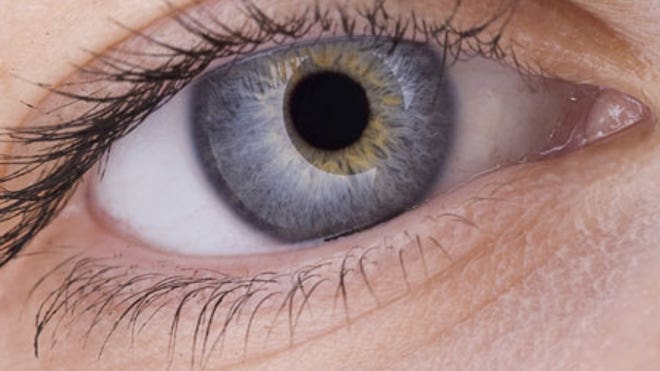
But now, there may be an easier way to spot the brain-wasting condition.  Researchers from Georgetown University Medical Center (GUMC) and the University of Hong Kong have found that it may be possible to diagnose Alzheimer's simply by screening for changes in two very important organs: the eyes.
In a new study presented at the Neuroscience 2013 conference, the scientists detailed how the thickness of a particular layer of retinal cells may serve as an indication of Alzheimer’s progression.
“We’re looking for biomarkers for early disease [recognition], partly for our new clinical studies focusing more on prevention of Alzheimer’s… and to test new drugs,” study author Dr. R. Scott Turner, director of the Memory Disorder Program at GUMC, told FoxNews.com.  “We’re hoping to incorporate this as a new biomarker for drug trials and potentially for screening and prognosis.”
Currently, there are two leading biomarkers that physicians can utilize to diagnose Alzheimer’s.  One is the buildup of beta-amyloid plaques in the brain, which can be observed through positron emission tomography (PET) or computed tomography (CT) scans.  The other involves measuring changes in protein levels of the cerebrospinal fluid – the liquid surrounding the brain and spinal cord.
However, brain imaging scans can be expensive for patients, and in order collect samples of the cerebrospinal fluid, doctors must administer a spinal tap, which can be a very invasive procedure.
Hoping to find a simpler biomarker, Turner and his colleagues decided to analyze the relationship between the eyes and dementia.  According to Turner, the retina serves as a direct extension of a person’s brain.
“The retinas have neurons themselves that send projections straight into the brain,” Turner said. “…Those nerve cells are directly connected to the brain via the optic nerve….So when looking at the retina, it’s the easiest place to see the brain and its neurons.”
Turner also noted that there has been an established association between glaucoma and Alzheimer’s, though the mechanisms behind the relationship remain unclear.  Most studies examining this connection have revolved around the retinal ganglion cell layer, which is responsible for transmitting visual information through the optic nerve.  However, this cell layer relies on information it receives from another layer in the retina called the inner nuclear layer, which had never before been studied in relation to dementia.
With this knowledge in mind, the researchers analyzed a group of mice that had been genetically engineered to develop Alzheimer’s disease, observing the thicknesses of the six layers in their retinas. They found that there was significant loss in thickness to both the inner nuclear layer, which experienced an average 37 percent loss of neurons, and the retinal ganglion cell layer, which experienced an average 49 percent loss.
According to Turner, these two retinal layers may be most vulnerable to neuron loss because they are larger than the other layers.
“The larger the neuron, the more vulnerable it seems to be to injury,” Turner said.  “We looked at some of the other [smaller] neurons, and they didn’t lose much because they were presumably less vulnerable. So we think whatever is killing neurons in the brain is killing the bigger nerve cells in the retina.”
The next step, Turner said, is to see if this biomarker translates to humans with Alzheimer’s.  If similar changes in retinal thickness occur in people, then a simple, noninvasive procedure known as optical coherence tomography (OCT) can be used to measure loss of neurons in these layers.
“If this holds true with humans and seems to be predicative, it could be used for screening, diagnosis, prognosis, but probably more immediately, a research tool to test new drugs,” Turner said. “…But we should probably be looking at the retinal thickness of our Alzheimer’s patients.”

Care of: http://www.foxnews.com/health/2013/11/13/can-changes-in-eyes-help-diagnose-alzheimers-disease/

Johanna Quass is 86 years-old and is still an incredible gymnast!

Tuesday, November 5, 2013

Johanna Quass is 86 years-old and is still an incredible gymnast! What she can do at this age is truly unbelievable! Check out her amazing bar and floor routine in this video.


Study uncovers link between Alzheimer's and Parkinson's

Friday, October 25, 2013

Scientists have discovered biological mechanisms that may link Parkinson's disease to Alzheimer's disease, according to a study published in the journal Acta Neuropathologica.

Researchers from the University of Florida say their findings could lead to targets for new treatment that combats both Alzheimer's and Parkinson's disease, as well as many other neurological disorders.
For their study, the researchers investigated a protein called tau. They explain that tau is a soluble protein in the brain that binds to microtubules - components that play an important part in cell processes - helping to support neuronal function.
The normal function of tau is supported by phosphorylation - a process that switches protein enzymes on and off and regulates their function and activity.
However, the researchers say that in some diseased brains, the tau protein can become abnormally phosphorylated and cause "clumps" or "tangles." These tangles, called tauopathies, are linked to cognitive impairment found in some neurodegenerative diseases, such as Alzheimer's, and are also linked to around 20% of Parkinson's cases.

LRRK2 'phosphorylates tau protein'

Parkinson's patients can develop tangles of the tau protein as a result of a mutated enzyme called LRRK2, the researchers say.
From conducting a series of mammalian studies, the researchers discovered that standard LRRK2 adds groups of phosphate to tau protein, while mutated LRRK2 adds significantly more phosphates to tau protein.
Using these findings, the research team were able to uncover two sites on the tau protein - T149 and T153 - where the mutated LRRK2 was able to add phosphate groups, which they linked to tangle formations.
The researchers then went on to test their findings on human brain tissue. From this, they discovered that the two sites previously identified on the tau protein that were targeted by LRRK2, were altered the same way in human tissue with LRRK2 mutation.

When testing this finding on human brain tissue that was affected by Alzheimer's disease, and other neurodegenerative diseases that form tangles, they found these alterations were the same.
Explaining their findings, the researchers say:
"Our data, in aggregate, demonstrate that LRRK2 directly phosphorylates tau at T149 and T153 in vitro and the ability of LRRK2 to phosphorylate tau at these sites may underlie its ability to promote tauopathy in our novel mouse model.
Our current in vivo studies are the first of their kind and provide compelling evidence that LRRK2 and tau interact in a disease-relevant manner."

Potential for therapeutic targets


The researchers add that their findings have the potential to provide new therapeutic targets for both Alzheimer's and Parkinson's disease.
"Until now, nobody has really understood what the overlap between Alzheimer's and Parkinson's disease was, or if it were important," says Jada Lewis, associate professor of neuroscience at the Centre for Translational Research in Neurodegenerative Disease at the University of Florida. "Our study ties these diseases together in a unique way."
The researchers conclude that their findings show that LRRK2 genetic studies in human tauopathies may be warranted.
Medical News Today recently reported on a study suggesting that exercise may ward off Alzheimer's and Parkinson's disease.
Written by Honor Whiteman
Copyright: Medical News Today 

What is Dementia? What Causes Dementia? Symptoms of Dementia

Thursday, October 17, 2013

Dementia is the progressive deterioration in cognitive function - the ability to process thought (intelligence). It is a set of signs and symptoms in which brain function, such as memory, language, problem solving and attention are affected.

The word "dementia" comes from the Latinde meaning "apart" and mens from the genitive mentis meaning "mind".

Progressive means the symptoms will gradually get worse. The deterioration is more than might be expected from normal aging and is due to damage or disease. Damage could be due to a stroke, while an example of a disease might be Alzheimer's.

Dementia is a set of signs and symptoms

Dementia is a non-specific syndrome in which affected areas of brain function may be affected, such as memory, language, problem solving and attention. Dementia, unlike Alzheimer's, is not a disease in itself. When dementia appears the higher mental functions of the patient are involved initially. Eventually, in the later stages, the person may not know what day of the week, month or year it is, he may not know where he is, and might not be able to identify the people around him. 

Dementia is significantly more common among elderly people. However, it can affect adults of any age.

What are the symptoms of dementia?

  • Memory loss - the patient may forget his way back home from the shops. He may forget names and places. He may find it hard to remember what happened earlier on during the day.
  • Moodiness - the patient may become more and more moody as parts of the brain that control emotion become damaged. Moods may also be affected by fear and anxiety - the patient is frightened about what is happening to him.

  • Communicative difficulties - the affected person finds it harder to talk read and/or write.
As the dementia progresses, the patient's ability to carry out everyday tasks diminishes and he may not be able to look after himself.

Diseases and conditions that cause dementia

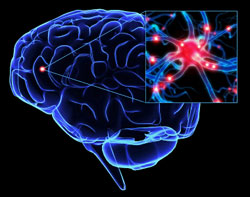
    brain neurones
  • Alzheimer's disease - This is by far the most common cause of dementia. The chemistry and structure of the brain of a person withAlzheimer's disease changes and his brain cells die prematurely.

  • Stroke (Vascular problems) - this means problems with blood vessels (veins and arteries). Our brain needs a good supply of oxygen-rich blood. If this supply is undermined in any way our brain cells could die - causing symptoms of vascular dementia. Symptoms may appear suddenly, or gradually. A major stroke will cause symptoms to appear suddenly while a series of mini strokes will not.

  • Dementia with Lewy bodies - spherical structures develop inside nerve cells. Brain cells are nerve cells; they form part of our nervous system. These spherical structures in the brain damage brain tissue. The patient's memory, concentration and ability to speak are affected. Dementia with Lewy bodies is sometimes mistaken for Parkinson's diseasebecause the symptoms are fairly similar.

  • Fronto-temporal dementia - this includes Pick's disease. The front part of the brain is damaged. The patient's behavior and personality are affected first, later his memory changes.
  • Other diseases - progressive supranuclear palsy, Korsakoff's syndrome, Binswanger's disease, HIV and AIDS, and Creutzfeldt-Jakob disease (CJD). Dementia is also more common among patients who suffer from Parkinson's disease, Huntington's diseaseMotor Neurone disease and Multiple Sclerosis. People who suffer from AIDS sometimes go on to develop cognitive impairment.

  • High glucose associated with dementia - a team from the University of Washington School of Medicine reported in NEJM (New England Journal of Medicine that people with high blood sugar (glucose) levels have a higher risk of dementia, even if they do not havediabetes.
  • There are two main categories of dementia

    According to most experts, there are two main categories of dementia - cortical and subcortical dementias.
    • Cortical Dementia - The cerebral cortex is affected. This is the outer layer of the brain. The cerebral cortex is vital for cognitive processes, such as language and memory. Alzheimer's disease is a form of cortical dementia, as is CJD (Creutzfeldt-Jakob disease).

    • Subcortical Dementia - A part of the brain beneath the cortex (deeper inside) becomes affected or damaged. Language and memory are not usually affected. A patient with subcortical dementia will usually experience changes in his personality, his thinking may slow down, and his attention span may be shortened. Dementias which sometimes result from Parkinson's disease are subcortical dementias, as are those caused by AIDS and Huntington's disease.
    A patient with multi-infarct dementia will have both the cortical and subcortical parts of the brain affected or damaged.

    Diagnosis of dementia

    Although there are some brief tests, a more reliable diagnosis needs to be carried out by a specialist, such as a geriatric internist, geriatric psychiatrist, neurologist, neuropsychologist or geropsychologist.

    The following tests are commonly used:
    • AMTS (Abbreviated Mental Test Score) A score lower than six out of ten suggests a need for further evaluation.
    • MMSE (Mini Mental State Examination) A score lower than twenty-four out of thirty suggests a need for further evaluation)
    • 3MS (Modified Mini-Mental State Examination)
    • CASI (Cognitive Abilities Screening Instrument)
    It is important that the patient's score is interpreted in context with his socio-economic, educational and cultural background. The tester must also factor in the patient's present physical and mental state - does the patient suffer from depression, is he in great pain? 

    Poor physical performance in the very elderly - researchers from the University of California found that people aged at least 90 years who had poor physical performance tend to have a much higher risk of either having or soon developing dementia. They reported their findings in Archives of Neurology, October 2012 issue. They assessed a sample of over-90s for walking, standing up from a chair, standing and controlling balance, and gripping something.

    What is the treatment for dementia?

    In the majority of cases dementia is incurable. Researchers are making inroads into treatments that may slow down dementia's progress. Cholinestaerase inhibitors are frequently administered during the early stages. Cognitive and behavioral therapies may also be useful. Several studies have found that music therapy helps patients with dementia. It is important to remember that the patient's caregiver also needs training and emotional support. 

    In the USA, Tacrine (Cognex), donepezil (Aricept), galantamine (Razadyne), and rivastigmine (Exelon) have been approved for the treatment of dementia caused by Alzheimer's disease - some physicians prescribe these drugs for vascular dementia as well. Selegiline, which is used for treating Parkinson's disease, has been found to slow down the progress of dementia. 

    In Canada, a country where two languages are spoken, English and French, researchers found that bilingual people who develop dementia do so four years later than monolingual people who develop dementia. The four year difference prevails even after factoring for such variables as cultural differences, education, employment, gender and immigration.

    Anti-psychotics - Researchers at Aston University and the University of East Anglia reported that health authorities around the world are becoming concerned about the over-prescribing of anti-psychotic medications for patients with dementia. UK health authorities reported in October 2012 that reducing the usage of anti-psychotics has been much more difficult than originally estimated. In the United Kingdom, up to 1,800 people with dementia die each year due to this type of medication.

    Common drugs may treat dementia one day - drugs that are used to treat skin conditions, high blood pressure and diabetes could eventually be used one day for the treatment of Alzheimer's disease. Researchers from King's College London reported in the journal Nature Reviews Drug Discovery (issue October 2012):
    • Calcium channel inhibitors, such as Nilvadipine, used for the treatment of hypertension, may considerably reduce the risk of dementia.
    • Diabetes medications, exenatide and liraglutide, activate the brain and inhibit the formation of plaques.
    • The psoriasis drug, acitretin may alter the way proteins connect to dementia structure, the researchers believe.
    • There may also be benefits from minoclycline, a tetracycline antibiotic that is used for the treatment of acne.
    Beta-blockers may reduce dementia risk - scientists from Pacific Health Research and Education Institute in Honolulu, found that in autopsies of elderly males, those who had been taking beta-blockers were less likely to have brain changes linked to Alzheimer's and other types of dementiaBeta-blockers are medications prescribed for hypertension and heart conditions.

    Keeping brain active during old age

    Retiring later lowers dementia risk - a study conducted at the Bordeaux School of Public Health involving 429,000 self-employed people living in France found that those who retired later had a lower risk of being diagnosed with dementia. Study leader, Carole Dufouil, said "Our data show strong evidence of a significant decrease in the risk of developing dementia associated with older age at retirement, in line with the 'use it or lose it' hypothesis. The patterns were even stronger when we focused on more recent birth cohorts."

    The aging brain benefits from simple mental activities, such as playing games, doing puzzles, reading and writing, researchers from Rush University and Illinois Institute of Technology reported at the 98th scientific assembly and annual meeting of the Radiological Society of North America (RSNA) in Chicago, in November 2012.
    Lead researcher, Konstantinos Arfanakis, said:

    "Reading the newspaper, writing letters, visiting a library, attending a play or playing games, such as chess or checkers, are all simple activities that can contribute to a healthier brain."


    The authors invited 152 people, average age 81 years, to report how often during the previous 12 months they had engaged in mental activities, such as playing cards, board games, writing letters, reading magazines and newspapers, doing puzzles, etc. They were all clinically evaluated - none of them had any signs of dementia or mild cognitive impairment.

    Over a 12-month period, they underwent MRI brain scans that allowed the scientists to produce diffusion anisotropy maps.

    They found that mental activity was closely linked with positive outcomes for brain health.

    Arfanakis said "Several areas throughout the brain, including regions quite important to cognition, showed higher microstructural integrity with more frequent cognitive activity in late life."

    Robot improves quality of life for people with dementia

    Robot companions help dementia patients - Professor Glenda Cook, from Griffith University, Australia, and colleagues found that a fluffy robotic harp seal - PARO - helped mid-to-late stage dementia patients become less aggressive, anxious and lonely.

    Robo Pet
    Professor Cook with PARO the baby seal
    PARO is a baby harp seal robot that comes with artificial intelligence software and tactile sensors. The device can respond to touch or sound, shows emotions, including surprise, happiness and anger. It gradually learns and eventually responds to its own name and certain words if they are repeated often enough.

    The researchers reported that PARO had a significantly positive effect on the quality of life of people with dementia. Unlike live animals, which have also been shown to help people with dementia, with PARO there is no risk of injury or infection.

    Mediterranean diet lowers vascular dementia risk

    People with risk factors for vascular dementia should consider following a Mediterranean dietwith added mixed nuts or extra olive oil. Researchers from the University of Navarra, Spain, reported in the Journal of Neurology Neurosurgery and Psychiatry (May 2013 issue) that such a diet considerably lowers the risk.

    Virgin olive oil is the main source of fat in a Mediterranean diet. It also includes large quantities of fruits, vegetables, nuts, pulses, moderate amounts of fish, seafood and red wine, but limited quantities of red meat and dairy products.

    In their study, involving 522 participants aged 55 to 80 years, who started off with no cardiovascular disease or cognitive impairment, they were randomly placed into one of three groups:
    • The Mediterranean diet with added olive oil group
    • The Mediterranean diet with added mixed nuts group
    • The control group - they were advised on how to follow a low fat diet that is typically recommended for reducing the risk of stroke and heart attack
    After a follow-up of 6.5 years, the researchers found that those in the two Mediterranean diets groups had much lower levels of mild cognitive impairment than in the control group. Mild Cognitive Impairment is often a precursor to dementia.

    Omega-3 fatty acids do not reduce cognitive decline in older women, a study carried out at the University of Iowa and published in the journal Neurology found.

    How common is dementia?

    • United Kingdom - According to a report by the Alzheimer's Society (UK), approximately 700,000 people in the United Kingdom have dementia, out of a total population of about 61 million. Your chances of having dementia are 1 in 100 during your late 60s, this rises to 6 in 100 in your late 70s, and 20 in 100 in your late 80s. As people live longer experts predict dementia will rise significantly. According to predictions, there will be 940,000 people with dementia in the United Kingdom by 2021.
    • Worldwide - According to a study published in The Lancet, approximately 24.3 million people had dementia worldwide in 2005, with 4.6 million new cases every year. The number of people with dementia will double every two decades and reach 81.1 million by 2040. The rate of increase is expected to be faster in developing countries which have rapidly-growing life expectancies. (Lancet. 2005 Dec 17;366(9503):2112-7)

    Dementia care costing over $150 billion annually in America alone

    A study conducted by the RAND Corporation reported in NEJM (New England Journal of Medicine) that caring for Americans with dementia is costing $157 billion annually, more than the treatments for cancer and heart disease. The bulk of the cost is not medications or other medical treatments, but the actual caring for patients either at home or in nursing homes, the authors explained.

    Dementia prevalence is closely linked to age - the older people become, the higher their risk. By 2040, with longer lifespans, the financial toll of dementia could double.

    Senior author, Michael Hurd, said "The economic burden of caring for people in the United States with dementia is large and growing larger. Our findings underscore the urgency of recent federal efforts to develop a coordinated plan to address the growing impact of dementia on American society."

    Hot chocolate helps memory and blood flow to the brain

    People who drink two cups of hot chocolate per day may be less likely to experience memory decline, especially when they are older, a team from Harvard Medical School reported in the journal Neurology.

    The team was investigating the effect of cocoa consumption on thinking and memory performance, as well as neurovascular coupling, where blood flow in the brain changes in response to local brain activity.

    Lead author Farzaneh A. Sorond, said "As different areas of the brain need more energy to complete their tasks, they also need greater blood flow. This relationship, called neurovascular coupling, may play an important role in diseases such as Alzheimer's."

    Apparently, regularly drinking hot chocolate improves neurovascular coupling.

    Risk factors for young-onset dementia

    Young-onset dementia - dementia that is diagnosed before 65 years of age - is associated with nine risk factors, researchers reported in JAMA Internal Medicine.

    Their study involved 488,484 Swedish males who had enlisted in mandatory military service between 1969 and 1979. They were followed up for up to 37 years.

    The following are major risk factors for early-onset dementia:
    • Alcohol abuse
    • Depression
    • Father having dementia
    • High systolic blood pressure when enlisting
    • Low cognitive function when joining up (to the military)
    • Low height at enlistment
    • Stroke
    • Taking antipsychotics
    • Taking illegal drugs
    As most of the risk factors are "potentially modifiable" and began during adolescence, the authors believe they are excellent opportunities for early prevention.

    Written by Christian Nordqvist
    Copyright: Medical News Today 


http://www.medicalnewstoday.com/articles/142214.php

Alzheimer's blog: Watching The Lights Go Out

Monday, September 30, 2013

We wanted to share with you this blog by David Hilfiker.  He was diagnosed with Alzheimer's in September 2012.

Enlightening journey. http://davidhilfiker.blogspot.com/

Wireless Network Detects Falls by the Elderly

Monday, September 9, 2013


University of Utah electrical engineers have developed a network of wireless sensors that can detect a person falling. This monitoring technology could be linked to a service that would call emergency help for the elderly without requiring them to wear monitoring devices.


For people age 65 and older, falling is a leading cause of injury and death. Most fall-detection devices monitor a person's posture or require a person to push a button to call for help. However, these devices must be worn at all times. A 2008 study showed 80 percent of elderly adults who owned call buttons didn't use the device when they had a serious fall, largely because they hadn't worn it at the time of the fall.

Now, University of Utah electrical engineers Brad Mager and Neal Patwari have constructed a fall-detection system using a two-level array of radio-frequency sensors placed around the perimeter of a room at two heights that correspond to someone standing or lying down. These sensors are similar to those used in home wireless networks. As each sensor in the array transmits to another, anyone standing -- or falling -- inside the network alters the path of signals sent between each pair of sensors.

Mager is presenting the new fall-detection system Tuesday, Sept. 10 in London at the 24th Annual Institute of Electrical and Electronics Engineers International Symposium on Personal, Indoor and Mobile Radio Communications.

The team plans to develop this proof-of-concept technology into a commercial product through Patwari's Utah-based startup company, Xandem Technology. The study was funded by the National Science Foundation.

"The idea of 'aging-in-place,' in which someone can avoid moving to a nursing home and live in their own home, is growing," says Patwari, senior author of the study and associate professor of electrical and computer engineering at the University of Utah. "Ideally, the environment itself would be able to detect a fall and send an alert to a caregiver. What's remarkable about our system is that a person doesn't need to remember to wear a device."

By measuring the signal strength between each link in the network -- similar to the number of "bars" on your cell phone -- an image is generated to show the approximate location of a person in the room with a resolution of about six inches. This imaging technique, called radio tomography, uses the one-dimensional link measurements from the sensor network to build up a three-dimensional image.

"With this detection system, a person's location in a room or building can be pinpointed with high accuracy, eliminating the need to wear a device," says Mager, a graduate student in electrical and computer engineering and first author of this study. "This technology can also indicate whether a person is standing up or lying down."

What's more, the system is programmed to detect whether a fall was indeed a dangerous one, rather than someone simply lying down on the floor. By conducting a series of experiments measuring the amount of time that elapsed when a person fell, sat down, or laid down on the ground, the researchers determined a time threshold for accurately detecting a fall. This information was fed back into algorithms used to determine whether a given event was a fall or one of the other benign activities.

64 Year Old Diana Nyad completes Cuba-Florida swim

Tuesday, September 3, 2013

KEY WEST, Fla. (AP) — Looking dazed and sunburned, U.S. endurance swimmer Diana Nyad walked on to the shore Monday, becoming the first person to swim from Cuba to Florida without the help of a shark cage.
Nyad, positioned about two miles off Key West, Fla.
The 64-year-old Nyad swam up to the beach just before 2 p.m. EDT, about 53 hours after she began her journey in Havana on Saturday. As she approached, spectators waded into waist-high water and surrounded her, taking pictures and cheering her on.
"I have three messages. One is, we should never, ever give up. Two is, you're never too old to chase your dream. Three is, it looks like a solitary sport, but it is a team," she said on the beach.
Continue story here:http://www.usatoday.com

Early Balding May Be Linked With Lou Gehrig's Disease

Friday, August 30, 2013


Men who show signs of early balding may be at an increased risk of the rare but incurable disease amyotrophic lateral sclerosis (ALS), also called Lou Gehrig's disease, a new study finds.

The link between the two conditions may provide a new direction in investigating the poorly understood neurodegenerative condition, the researchers said.

The researchers looked at more than 50,000 men ages 46 to 81, and asked them to recall the shape of their hairline at age 45, and choose from a series of pictures depicting no balding, moderate or extensive balding.

Nearly 44 percent of men reported no balding, about 42 percent of men reported moderate balding and 14 percent reported extensive balding at 45 years old.

Sixteen years later, 11 of 5,500 men who had reported extensive balding were diagnosed with ALS, while 13 of 17,500 men with no balding were affected by the disease. The researchers calculated that men with extensive early balding were about three times as likely to develop ALS, compared with men who hadn't lost hair early in life.

The researchers said their results should be interpreted cautiously until the link between early balding and ALS is confirmed in future studies.

"This doesn't mean that bald people should worry," said study author Elinor Fondell, researcher at Harvard School of Public Health. Moreover, the link may not be true for everyone there were 11 people diagnosed with ALS who didn't have early balding, Fondell noted.

A mysterious disease

ALS is a disease of the nerve cells in the brain and spinal cord that control muscle movement. The early symptoms of the condition usually include weakness and shrinking of muscles, and as the condition progresses, patients develop disabling movement problems, and ultimately cannot breathe on their own.

About 5,600 people in the United States are diagnosed with ALS each year, according to the ALS Association. Men are at higher risk for ALS than women. Half of people affected by the disease live more than three years after diagnosis, but less than 10 percent of patients live more than 10 years after diagnosis.

"We know very little about what causes ALS, and there's only one approved drug that prolongs life, for about three months," Fondell said.

"If the link between early balding and ALS can be confirmed in other populations, and if other researchers look at this on a molecular level and see if there's some basis to this, then that in the future may lead to new drugs for ALS," she said.

Men in the study with moderate early balding had a 50 percent higher risk of ALS compared with men with no balding. The results showed a clear trend: with increasing levels of balding at age 45, the risk of ALS increased, the researchers said.

The results were controlled for potential risk factors of both early balding or ALS, such as smoking, weight, as well as vitamin E intake, which may protect against ALS.

What may underlie the link

One possible mechanism for a link between ALS and early balding may involve a protein called the androgen receptor, a protein that regulates the hormone testosterone and has been shown to be associated with an increased risk of early balding.

In 1980, researchers proposed the possibility that androgen receptor is involved in ALS. The idea originated when researchers observed that the disease affected all motor neurons except those that lacked the androgen receptor.

"Everybody got so excited about this theory," Fondell said. "So they tested it, but found that the androgen receptor does work," so the idea wasn't pursued further.

"I think they dropped it too early," Fondell said.

Another possible explanation could involve a genetic variation in early balding recently identified in an analysis of genetic studies of the condition. The variation is in a gene located close to another gene that has been implicated in ALS. Given the physical proximity of the two genes, it is possible that one affects the other, the researchers said.


The study was published Aug. 13 in the American Journal of Epidemiology.

Read more: http://www.foxnews.com/health/2013/08/23/early-balding-may-be-linked-with-lou-gehrig-disease/#ixzz2dTnrvd6d

Study Seeks Super Agers' Secrets To Brain Health

Friday, August 23, 2013


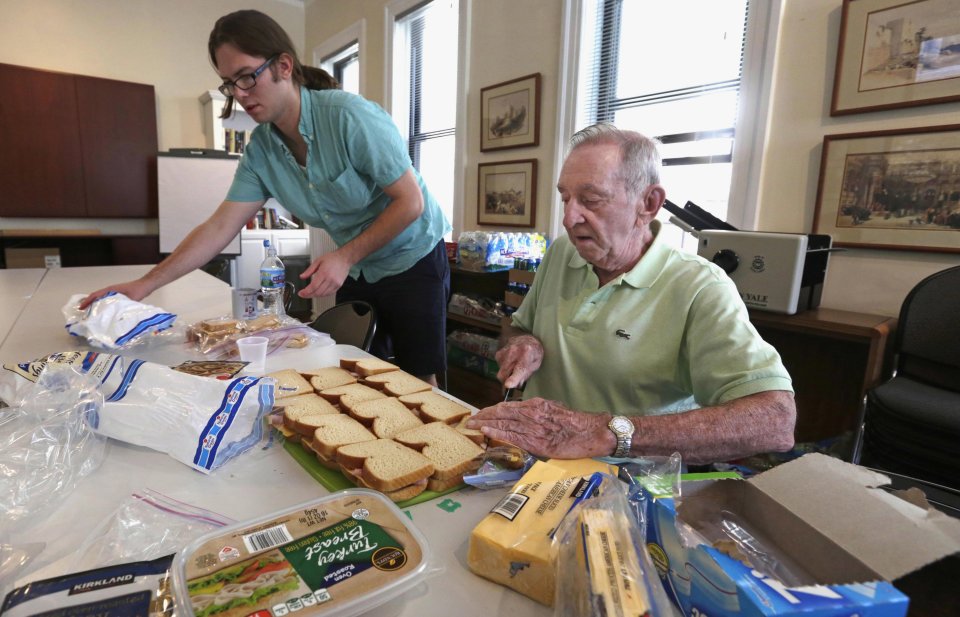
In this Aug. 1, 2013 photo, 85-year-old Don Tenbrunsel, right, and Alex Wissman, soup kitchen volunteers, work at making lunches at St. Josaphat’s Church in Chicago. Tenbrunsel is a “super ager,” participating in a Northwestern University study of people in their 80s and 90s with astounding memories. So far the research has found scientific evidence that brains in this elite group resemble those of people decades younger. (AP Photo/M. Spencer Green)


CHICAGO (AP) — They're called "super agers" — men and women who are in their 80s and 90s, but with brains and memories that seem far younger.
Researchers are looking at this rare group in the hope that they may find ways to help protect others from memory loss. And they've had some tantalizing findings: Imaging tests have found unusually low amounts of age-related plaques along with more brain mass related to attention and memory in these elite seniors.
"We're living long but we're not necessarily living well in our older years and so we hope that the SuperAging study can find factors that are modifiable and that we'll be able to use those to help people live long and live well," said study leader Emily Rogalski, a neuroscientist at Northwestern University's cognitive neurology and Alzheimer's disease center in Chicago.
The study is still seeking volunteers, but chances are you don't qualify: Fewer than 10 percent of would-be participants have met study criteria.
"We've screened over 400 people at this point and only about 35 of them have been eligible for this study, so it really represents a rare portion of the population," Rogalski said.
They include an octogenarian attorney, a 96-year-old retired neuroscientist, a 92-year-old Holocaust survivor and an 81-year-old pack-a-day smoker who drinks a nightly martini.
To qualify, would-be participants have to undergo a battery of mental tests. Once enrolled, they undergo periodic imaging scans and other medical tests. They also must be willing to donate their brains after death.
The memory tests include lists of about 15 words. "Super agers can remember at least nine of them 30 minutes later, which is really impressive because often older adults in their 80s can only remember just a couple," Rogalski said.
Special MRI scans have yielded other remarkable clues, Rogalski said. They show that in super agers, the brain's cortex, or outer layer, responsible for many mental functions including memory, is thicker than in typical 80- and 90-year-olds. And deep within the brain, a small region called the anterior cingulate, important for attention, is bigger than even in many 50- and 60-year-olds.
The super agers aren't just different on the inside; they have more energy than most people their age and share a positive, inquisitive outlook. Rogalski said the researchers are looking into whether those traits contribute to brain health.
Other research has linked a positive attitude with overall health. And some studies have suggested that people who are "cognitively active and socially engaged" have a reduced chance of developing Alzheimer's disease, but which comes first — a healthy brain or a great attitude — isn't known, said Heather Snyder, director of medical and scientific operations for the Alzheimer's Association.
Snyder said the SuperAging study is an important effort that may help provide some answers.
Edith Stern is among the super agers. The petite woman looks far younger than her 92 years, and is a vibrant presence at her Chicago retirement home, where she acts as a sort of room mother, volunteering in the gift shop, helping residents settle in and making sure their needs are met.
Stern lost most of her family in the Holocaust and takes her work seriously.
"What I couldn't do for my parents, I try to do for the residents in the home," she said, her voice still thick with the accent of her native Czechoslovakia.
Stern acknowledges she's different from most people at the home, even many younger residents.
"I am young — inside. And I think that's the difference," she said.
"I grasp fast," she adds. "If people say something, they don't have to tell me twice. I don't forget it."
She's different in other ways, too.
"When you get old, people are mainly interested in themselves. They talk about the doctor, what hurts," she said. "You are not so important that you just concentrate on yourself. You have to think about other people."
Study participant Don Tenbrunsel has a similar mindset. The 85-year-old retired businessman doesn't think of himself as a super ager. "Neither do my children," he says, chuckling.
But Tenbrunsel says his memory has been sharp "from the time I was born. My mother used to say, 'Donald, come sing with me — not because I had a good voice, but because I always knew the words," he said. "I think I'm just lucky, not only with respect to my memory, but I'm able to get around very well; I walk a lot and I have a pretty good attitude toward life itself."
Tenbrunsel volunteers several hours a week at a food pantry run by the Chicago church where he is a parishioner. One recent morning in the sun-filled rectory kitchen, he nimbly packaged ham and cheese sandwiches, set out bags of chips and cans of soda, and cheerfully greeted a steady stream of customers.
"Good morning, good to see you," he said, standing at the pantry's bright red door. He gave everyone their choice of chips — a small gesture but important, he said, because it gives them some sense of control over their hard-luck lives.
"I enjoy doing it. I probably get more out of it than I give," Tenbrunsel said.
Ken Zwiener, of Deerfield, Ill., is another super ager. He had "more than an inkling" he might qualify for the study, and his kids encouraged him to enroll.
"They said, 'Dad, your brain is the best thing about you,'" the 81-year-old retired businessman recalled.
He's a golfer and Broadway musical "nut" who created a 300-plus-page computer database of shows. Zwiener uses an iPad, recently went hot-air ballooning and is trying to learn Spanish.
He also pours himself a vodka martini every night and is a pack-a-day cigarette smoker, but says he doesn't think his habits have made much difference. His healthy brain, he says, may be due to heredity and genes, but Zwiener said he hopes the study comes up with more "scientific insights".
"My dad lived into his middle 90s and was pretty sharp right up until the day he died," Zwiener said.
Zwiener's motivation for joining the study was simple: The best man at his wedding died of Alzheimer's disease before age 50.
"To lose a mind ... is just a terrible way to go," he said.

Article is care of:
___
Online:
SuperAging study: http://tinyurl.com/lo75t7b
Alzheimer's Association: http://www.alz.org
____
AP Medical Writer Lindsey Tanner can be reached at http://www.twitter.com/LindseyTanner

A 99-year-old Greeter May Be Nordstrom's Best Asset

Wednesday, July 17, 2013

"The simplest thing you can ever do is be nice to people. Always be nice to people and smile. And they'll come back."
— Ted DiNunzi


A dapper elderly man stands at Nordstrom's front entrance, humming an Italian tune and smiling at customers as they enter the store's double doors. One woman stops for conversation. A pair of young girls wave to him as they exit the department store, bags in hand.
A customer stopped by a few days ago to give him a gift card, just because. Shoppers often pause to take his picture, or even ask him for a hug.


Meet Ted DiNunzio, the 99-year-old greeter for the Nordstrom store at Westfield Santa Anita mall who has developed an almost fan-like following from customers in the community during his 13 years on the job.

Shoppers often stop by the store to see him, and DiNunzio says he has watched many visitors grow up over the years.

"A lot of them say, 'We come here because of you, you're an inspiration,'" DiNunzio said. "The simplest thing you can ever do is be nice to people. Always be nice to people and smile. And they'll come back."

DiNunzio works for Nordstrom every Friday and Saturday, and remains in good health; he cooks all his own meals and drives himself to work. Even if he's not at work he wears a suit -- he doesn't have a pair of jeans in his wardrobe. He says his good health comes from a positive attitude. He never has to pretend to be glad to see people and, for him, "there's no bad mood." That could be why he has twice received Nordstrom's Customer Service All Star award.


The Pasadena resident landed his position at Nordstrom after retirement, when the company hired him to welcome customers as they came to the store. He's been the official Nordstrom greeter ever since -- the only hired greeter in any of Nordstrom's roughly 240 stores in the country.

"His job is irreplaceable," said Marcille Hughes, the store manager. "It's always fun to have new employees in the store meet Ted. It teaches employees the importance of kindness."

A Rhode Island native, DiNunzio worked at a cigar shop, grocery store, and hotel before moving to Burbank with his wife, Ella, in the 1950s and reinventing himself as a meat-cutter. 
Years after his wife's death in the 1980s, DiNunzio started coming to Nordstrom to chat with customers and employees alike, a hobby that soon turned to a job.

Jacqueline Trujillo, the store's customer relations manager, said more than half of the emails she receives are about Ted's presence in the store.


"In the feedback I get, no matter what, I always get a comment about Ted. Customers always associate this store with him," Trujillo said. "If they don't see him, it's an automatic email to me. 
He's part of their store experience."

He's also popular within the company.

Last year, Nordstrom flew DiNunzio to their headquarters in Seattle for the annual shareholder's meeting. He's also been hired to greet customers for the openings at Nordstrom Rack in Pasadena and the Nordstrom on Fashion Island in Newport Beach.

"They all wanted me to be their greeter, but I said no." DiNunzio said. "This is my home."
DiNunzio will turn 100 this December, an event his co-workers have been preparing for since his last birthday, according to Hughes.

"When he had his birthday last year, we made him 100 cupcakes, for 99 years and then one for luck. The entire store stopped, singing 'Happy Birthday' to him," Hughes said. "He's an inspiration to people. He contributes so much and inspires people to do the same."


Read more: http://www.pasadenastarnews.com/